GC Corner: An interview with Santipap Charasphaew
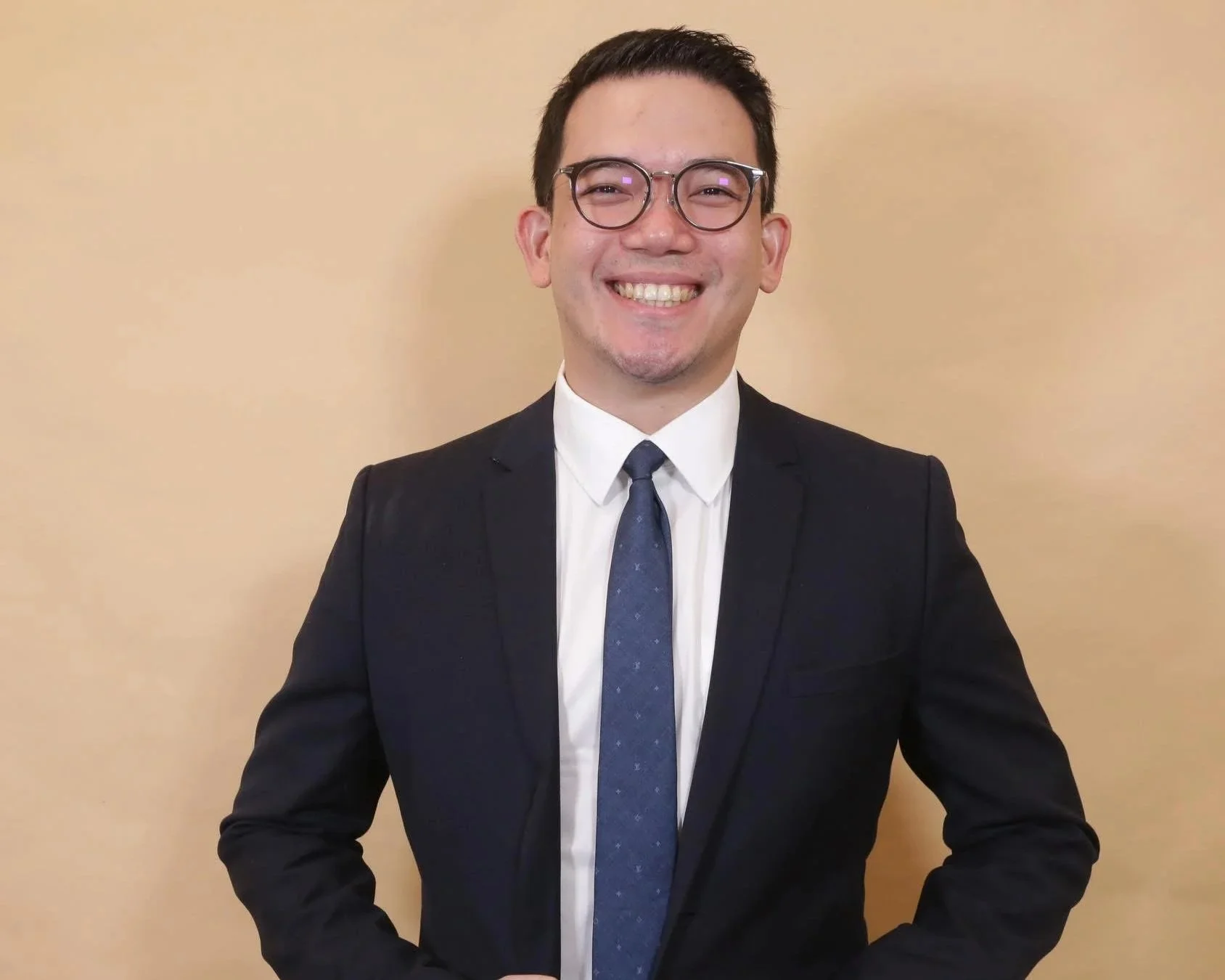
Santipap Charasphaew is a seasoned legal and compliance expert with over ten years of experience in fintech, blockchain, and digital asset regulation. He serves as Head of Legal and Compliance at Bitazza, a Thai SEC-licensed digital asset brokerage. With a foundation from Baker McKenzie and in-house roles at leading blockchain and payment firms, he blends legal precision with strategic insight. Santipap is known for navigating complex regulatory landscapes, building robust compliance systems, and advising executive teams. He is also a frequent speaker at legal and digital asset industry forums.
What’s the biggest pressure point or priority you face as a legal leader today?
It has to be the expectation for legal to operate as both a risk controller and a business enabler at the same time. Leadership increasingly expects us to solve highly complex, cross-border and regulatory-driven issues quickly, often with incomplete information. At the same time, we need to ensure that our advice is commercially practical and does not slow down the business. Balancing speed, accuracy, and regulatory defensibility is the key challenge.
How has your approach to leadership evolved over time?
Earlier in my career, I tended to focus on being technically correct and providing clear legal answers. Over time, I’ve shifted toward a more collaborative and trust-based leadership style. I now involve the team more in the decision-making process, encourage open discussion, and create space for different perspectives. This not only improves the quality of decisions but also builds ownership and confidence within the team.
Tell us about the in-house legal community in Thailand. You recently started a role with the Thai-CCA—what are you most looking forward to in the upcoming PopUp workshop at Agoda?
The in-house legal community in Thailand has become much more active and interconnected in recent years. There is a strong willingness to share knowledge and practical experience across industries. We recently organized a running event that brought together over 100 participants from both in-house teams and law firms, which reflects this momentum. Through Thai-CCA, I’m looking forward to strengthening this network further—especially by creating more opportunities for collaboration, peer learning, and introducing newer members to the community at the upcoming workshop.
The toughest decision you’ve had to make in the last year?
One of the toughest decisions was introducing AI tools into our legal workflow to automate routine and repetitive tasks. While the efficiency gains are clear, the challenge lies in managing the transition—ensuring the team is comfortable, maintaining quality control, and addressing concerns around reliability and oversight. It required careful calibration between innovation and risk management.
One leadership habit you swear by under pressure?
Maintaining a calm and positive presence. In high-pressure situations, the team naturally looks to leadership for direction and reassurance. I make it a point to stay composed, break down problems into manageable steps, and keep the team motivated. Sometimes, simply reinforcing that we will solve the issue together makes a significant difference.
How do you personally recharge when things get intense?
I rely heavily on physical activity, especially working out. It helps me clear my mind, reduce stress, and regain focus. Even a short session can reset my energy and allow me to return to work with better clarity.
What’s one wellbeing practice that’s actually stuck for you?
Maintaining a consistent routine—sleeping early and waking up early. It sounds simple, but it has a significant impact on productivity, decision-making, and overall mental clarity. It creates a stable foundation, especially when work becomes unpredictable.
If you had to give your younger self one tip about building a flourishing legal career, what would it be?
Don’t be afraid to step outside your comfort zone. Some of the most valuable experiences come from taking on unfamiliar challenges—whether it’s a new area of law, a different role, or a complex project. Growth in a legal career often comes from navigating uncertainty rather than avoiding it.
One thing your team would be surprised to know about you?
I’m quite serious about badminton—I play around four times a week. It’s something I genuinely enjoy and also a great way to stay disciplined and competitive outside of work.
If you weren’t a lawyer, what would you be doing today?
I would likely be working in technology—probably building or inventing AI-driven solutions. I’m particularly interested in how technology can solve complex operational and decision-making problems.
Your go-to guilty pleasure after a long week?
A good massage followed by comfort food. It’s a simple way to fully disconnect, reset physically, and prepare for the week ahead.